The Arlington Pet Owner's Guide to Keeping Carpets Clean
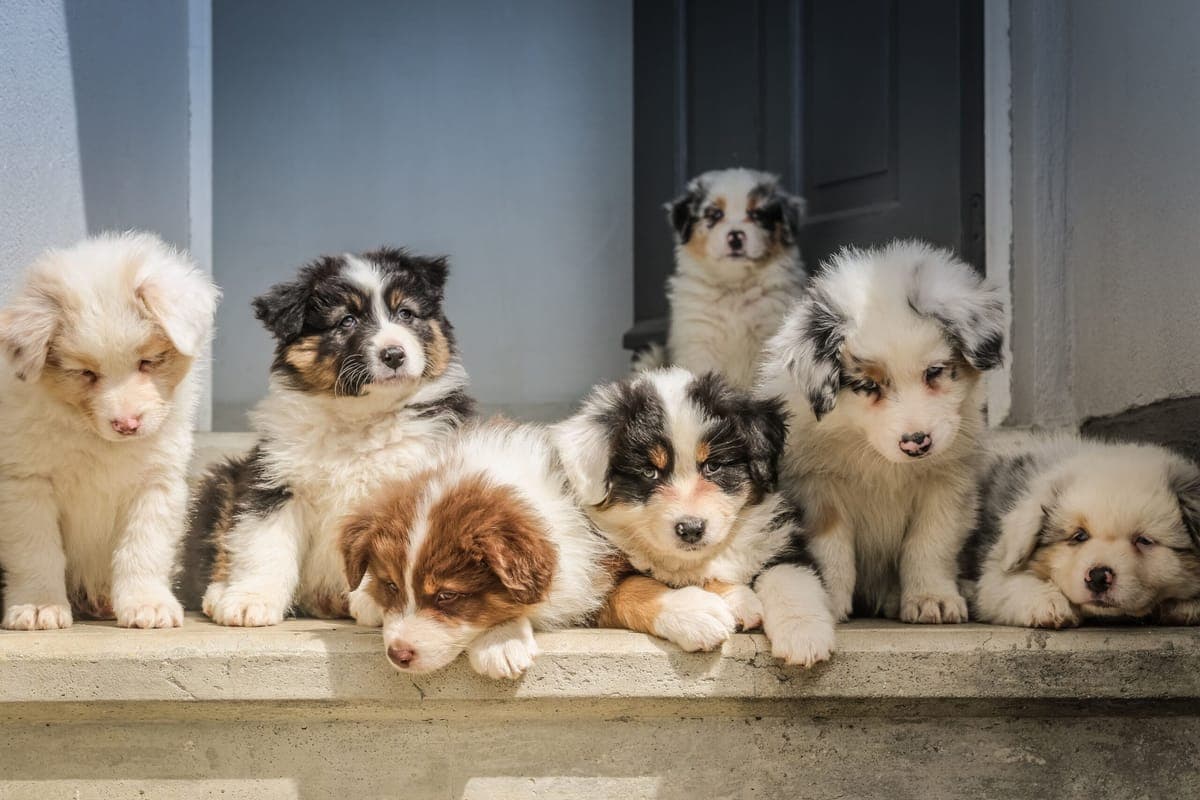
Arlington is a dog town. Walk through any neighborhood in the evenings and you'll see families out with their labs, goldens, and rescue mutts. The parks fill up on Saturday mornings. The local Facebook groups are half pet photos. It's part of what makes this community feel like a good place to raise a family — the four-legged members included.
But if you have both pets and carpet in your home, you already know the tension. You love your dog. You also love your carpet. And sometimes those two loves are in direct conflict — like when your puppy decides the living room rug is a perfectly acceptable bathroom, or when your cat gifts you a hairball right in the hallway.
Here's the honest truth: you can have pets and clean carpet. It just takes some know-how and a realistic maintenance plan.
Dealing with Accidents: The First Five Minutes Matter
Whether it's a new puppy still working on house training or an older dog with a sensitive stomach, accidents happen. How you handle the first few minutes determines whether you're looking at a minor cleanup or a lasting stain.
For Urine
Urine is a triple threat: it stains, it smells, and if left untreated, it can permanently damage carpet fibers and the pad underneath.
Blot immediately. Grab a thick stack of paper towels or a clean white cloth. Press down firmly (stand on it if you need to) to absorb as much liquid as possible. Don't rub. Rubbing spreads the urine laterally and drives it deeper.
Apply an enzymatic cleaner. This is important. Regular carpet cleaners and soap will remove the visible stain, but they won't break down the uric acid crystals that cause the lingering odor. Enzymatic cleaners contain biological agents that actually consume the uric acid. You can find them at any pet store. Follow the product directions. Most need to stay wet on the spot for 10 to 15 minutes to work.
Rinse with cold water and blot dry. Don't use warm or hot water on urine because heat can set the proteins and make the stain permanent.
Dry the area thoroughly. This is doubly important here in Shelby County. With our humidity, a damp carpet spot can take a long time to dry on its own, and moisture sitting in the pad creates mold risk. Place a dry towel over the spot, weight it down, and consider running a fan nearby.
For Vomit
Nobody's favorite topic, but it comes with the territory.
- Scoop up the solids first using a dustpan or stiff piece of cardboard. Work from the outside in to avoid spreading.
- Blot any remaining moisture.
- Apply a solution of one part white vinegar to one part water. Let it sit for five minutes, then blot.
- Follow with a light application of baking soda. Let it dry completely, then vacuum. The baking soda neutralizes odor and absorbs residual moisture.
For Mud
If your dog found a puddle after one of our spring thunderstorms — and they will — resist the urge to clean it immediately.
Seriously. Let the mud dry completely. Once it's dry, it becomes crumbly and most of it will vacuum right up. If you try to clean wet mud, you'll grind it deeper into the fibers and spread the stain.
After vacuuming, if there's still a residual mark, a damp cloth with a tiny amount of dish soap should handle it.
Managing Ongoing Odor
Pet odor isn't just about accidents. Dogs produce natural oils in their skin and coat that transfer to carpet fibers wherever they lie. Over time, these oils oxidize and produce that characteristic "dog smell" that you might not notice anymore but your visitors definitely do.
Cats have their own contribution. Even well-maintained litter boxes produce airborne particulate that settles into carpet fibers throughout the house.
A few strategies for keeping odor in check:
Vacuum frequently. In a home with pets, twice a week is the minimum. Use a vacuum with strong suction and a beater bar or rotating brush, which agitates the carpet fibers and loosens embedded hair, dander, and dried skin oils. HEPA filtration is ideal, as it traps the fine particulate that contributes to both odor and allergies.
Wash pet bedding regularly. If your dog has a favorite spot on the carpet where they always nap, that area is absorbing the most oil. Providing a washable bed or blanket in that spot gives you something you can throw in the washing machine instead of trying to deep-clean the carpet every week.
Use baking soda between cleanings. Once a week, sprinkle baking soda lightly over the carpet in high-traffic pet areas. Let it sit for 15 to 20 minutes, then vacuum it up. Baking soda is a natural odor absorber and it's safe for pets, but keep them out of the room while it's sitting so they don't inhale the dust.
Open the windows when you can. Fresh air circulation helps flush odor out of your home. The best time in our climate is during those mild stretches in spring and fall — mornings in October or April when the humidity is reasonable and the temperature is comfortable.
Dealing with Pet Hair in Carpet
If you have a shedding breed — and most popular family dogs are significant shedders — you know that pet hair weaves itself into carpet fibers in a way that vacuuming alone can't always address.
A rubber-bristled pet hair rake can help. These tools work by creating static friction that pulls embedded hair out of the carpet pile. Run one across your carpet before vacuuming to loosen up the hair, then vacuum as usual. You'll be amazed at what comes up.
For furniture, a slightly damp rubber glove works on the same principle. Run your gloved hand across upholstery and the hair rolls right up into collectible clumps.
When DIY Isn't Enough
Regular maintenance handles day-to-day pet messes. But over months and years, things accumulate that household cleaning can't reach:
Urine that soaked through to the pad. If a pet repeatedly used the same spot, the urine may have penetrated through the carpet backing into the pad, and possibly the subfloor. Enzymatic cleaners applied to the surface can't reach contamination that deep.
Embedded dander and allergens. Pet dander particles are microscopic and work their way deep into carpet fibers and backing. Regular vacuuming picks up surface-level dander but can't reach what's embedded at the base of the pile.
Oil buildup. Those natural skin oils accumulate gradually. By the time the smell becomes noticeable to you (when you've been living with it, you tend to go nose-blind), there are months of buildup that surface cleaning won't address.
Professional cleaning reaches what home maintenance can't. For pet households, we generally recommend professional cleaning every three to four months. That might sound frequent, but it prevents the kind of deep contamination that eventually becomes a "we need to replace the carpet" conversation.
A Quick Note About Carpet-Safe Pet Products
Not all pet cleaning products are created equal. Some commercial pet stain removers contain optical brighteners, chemicals that don't actually remove the stain but make it appear to disappear under normal light. The stain is still there, and it can resurface over time, especially in humid conditions.
Enzymatic cleaners are your best bet for genuine stain and odor removal. Look for products that specifically say "enzymatic" or "bio-enzymatic" on the label. Avoid anything with bleach or strong oxidizers, which can discolor carpet.
Your Pets Deserve Clean Carpet Too
Clean carpet matters for the health of everyone in your household, including the ones with four legs. Pets spend more time on the floor than anyone else in the family. They breathe in whatever's embedded in those fibers. Clean carpet means healthier pets and a healthier home.
Safe-Dry Carpet Cleaning of Arlington uses a pet-safe, non-toxic cleaning process that's tough on stains and odors but gentle on your animals. We serve pet-loving families throughout Arlington, Lakeland, Bartlett, Oakland, and Eads.
Give us a call at 901-290-7851 or book online through our website scheduler. We'll get your carpets clean enough that both you and your dog can enjoy the living room floor.